Featured
The Greatest Guide To "Online vs Phone Bankruptcy Counsel...
Our Is Debt Forgiveness Appropriate for Your Situation St...

Creating Your Custom Journey to Freedom Things To Know Be...
The 25-Second Trick For Private When a Business Fails: Personal Debt Strategies for Former Small Business Owners Organizations Reviewed
Table of Contents
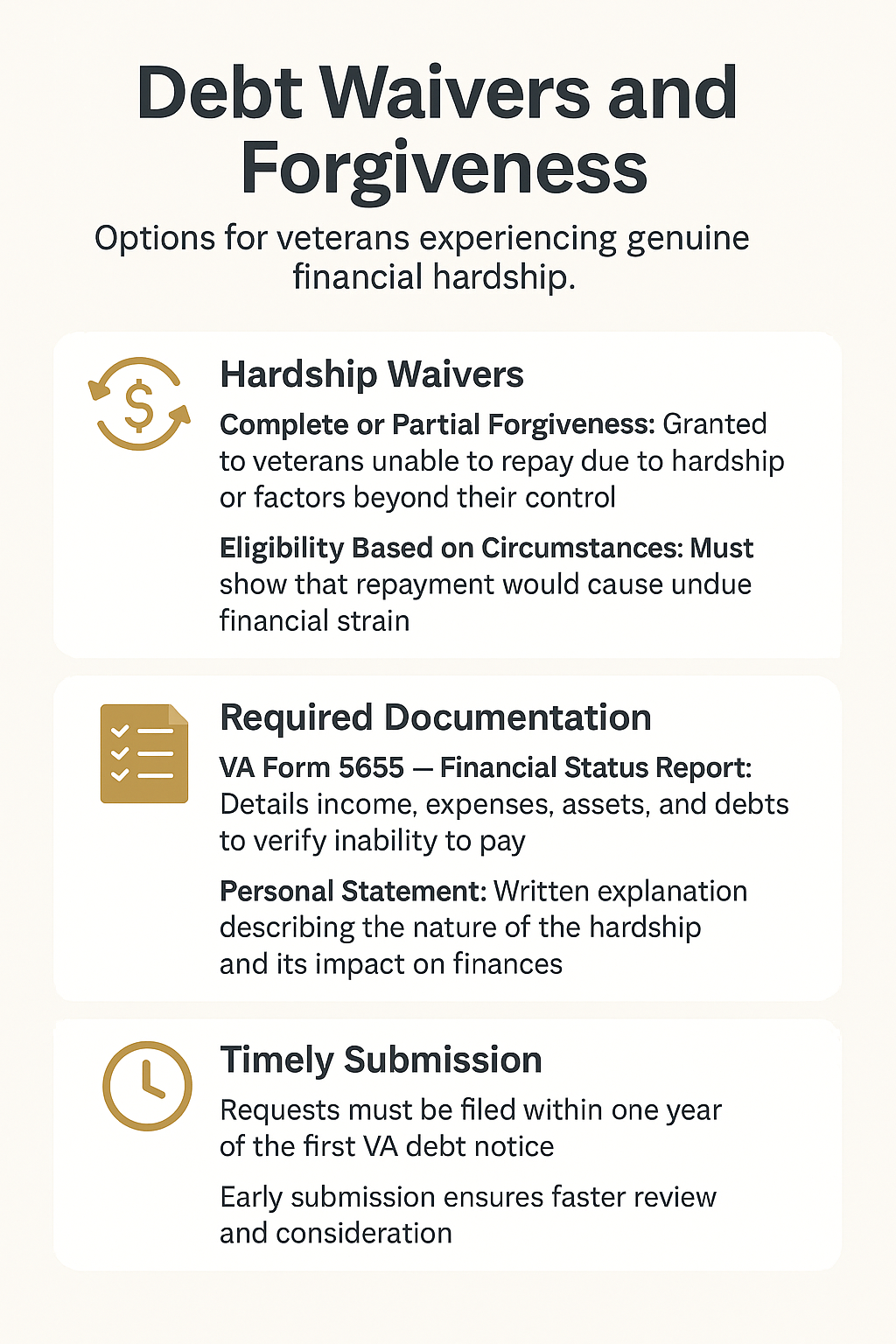
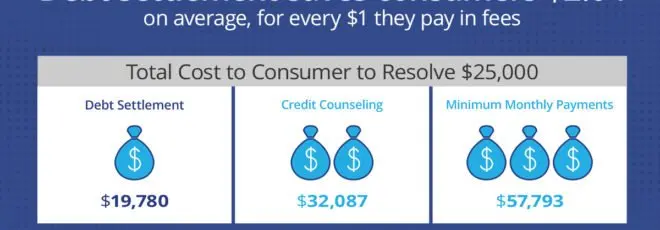
That maximizes cash in the short-term, and you might have 3 to 4 years to save toward the negotiation quantity. Really hazardous to credit rating, primarily as a result of missed repayments and an unfavorable "settled" mark that might stay on your credit rating record for up to seven yearsMay be just alternative if other alternatives (debt loan consolidation, equilibrium transfer bank card, debt mercy) aren't possibleTypically needs a charge to the 3rd party, which can counter some or all of the savings from debt settlementMay aid you prevent bankruptcy if you've missed several paymentsNot all creditors deal with financial obligation negotiation companies Debt forgiveness may be best for you if you are experiencing a monetary hardship that makes it almost impossible to pay for your debt equilibriums.
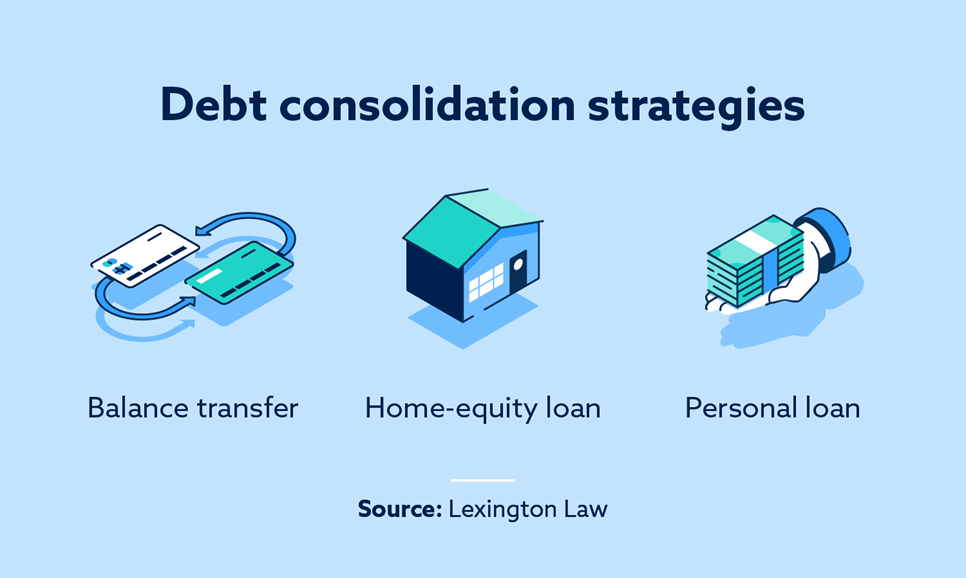
With a DMP, you make one month-to-month payment to the credit scores therapy firm. Those funds are then dispersed to creditors of your unprotected debts, such as bank card and installment financings. The agency deals with your creditors to decrease rate of interest or forgo fees, but some creditors may refuse such giving ins.
It can help you pay down debt if you're able to safeguard a loan price that's lower than the typical price of the accounts you're consolidating. You must abstain from racking up financial debt on those recently gotten rid of accounts or your financial debt can grow even higher.
These cards usually provide a 0% rate of interest initial duration of up to 21 months. That gives you a lot of time to remove or dramatically reduce your equilibrium while making interest-free repayments. For some people facing insurmountable debt, insolvency might be the only means to quit collection proceedings and legitimately settle their debts.
Getting The Debtor Rights According to Federal Law To Work
You may require it if your creditor or a collection firm ever attempts to accumulate on the financial debt in the future. When a lending institution forgives $600 or more, they are required to send you Type 1099-C.
Financial obligation mercy or negotiation usually harms your credit. Anytime you work out a debt for much less than you owe, it might look like "worked out" on your credit score report and influence your credit rating for 7 years from the day of settlement. Your debt can also drop significantly in the months bring about the mercy if you fall back on settlements.
The 3-Minute Rule for Creating Your Custom Journey to Freedom
Tax financial debt compromise programs Tax debt occurs when the amount of taxes you owe exceeds what you have paid. This situation frequently results from underreporting income, not filing returns on schedule, or discrepancies discovered throughout an internal revenue service audit. The consequences of gathering tax obligation financial obligation are serious and can consist of tax liens, which provide the internal revenue service a legal case to your residential property as security for the financial debt.
Greater rate of interest on available debt. Earnings and Financial institution Accounts IRS can impose (take) earnings and financial institution accounts to please the financial obligation. Lowered revenue and disruption of necessary economic procedures. Property Seizure In extreme cases, the IRS can seize and market building to cover the financial obligation. Loss of useful properties and potential displacement.
Depression, anxiousness, and various other psychological health and wellness problems. Social Stigma Encountering lawsuit from the IRS can lug social preconception. Damage to credibility and connections. Work Opportunities A poor credit report as a result of exhaust financial debt can restrict employment possibility. Trouble searching for or maintaining a work. Federal government Advantages Tax financial obligation may impact eligibility for government advantages, such as Social Safety And Security and Medicaid.
6 Simple Techniques For Accreditation Standards in the Industry
The OIC thinks about numerous elements, including the taxpayer's revenue, expenses, possession equity, and capacity to pay. Efficiently negotiating an OIC can be complicated, needing a detailed understanding of the IRS's guidelines and a strong disagreement for why your offer aligns with your capacity to pay. It is necessary to keep in mind that not all applications are approved, and the procedure requires in-depth monetary disclosure.
The IRS examines your total monetary scenario, including your revenue, costs, possession equity, and ability to pay. You should additionally be existing with all declaring and repayment requirements and not be in an open insolvency proceeding. The internal revenue service likewise considers your compliance history, assessing whether you have a document of timely filing and paying tax obligations in previous years.
Understanding Your Rights Regarding Bankruptcy Proceedings for Dummies
The application procedure for a Deal in Compromise includes several detailed actions. You have to finish and submit IRS Kind 656, the Offer in Compromise application, and Form 433-A (OIC), a collection information statement for individuals. These types call for extensive financial details, consisting of information about your earnings, financial debts, expenditures, and assets.
Back taxes, which are unpaid taxes from previous years, can substantially increase your total IRS debt otherwise attended to quickly. This financial obligation can accumulate passion and late payment charges, making the original amount owed a lot bigger gradually. Failing to repay taxes can cause the IRS taking enforcement activities, such as releasing a tax lien or levy versus your property.
It is essential to address back tax obligations as soon as possible, either by paying the full quantity owed or by arranging a payment plan with the IRS. By taking aggressive steps, you can avoid the accumulation of additional interest and charges, and avoid much more aggressive collection actions by the internal revenue service.
One typical factor is the belief that the taxpayer can pay the sum total either as a lump amount or via a repayment strategy. The internal revenue service also considers the taxpayer's income, expenses, asset equity, and future earning possibility. If these aspects show that the taxpayer can afford to pay greater than the provided amount, the internal revenue service is most likely to reject the deal.
Excitement About Building a Personalized Financial Recovery Strategy
Dealing with IRS financial obligation can be complicated and complicated. Tax obligation professionals, such as CPAs, tax obligation attorneys, or signed up agents, can supply vital support.

Table of Contents
Latest Posts

5 Simple Techniques For Private Relief Options Compared
The Greatest Guide To "Online vs Phone Bankruptcy Counseling: Pros Is Shameful" and More Myths
Our Is Debt Forgiveness Appropriate for Your Situation Statements
More
Latest Posts
5 Simple Techniques For Private Relief Options Compared
The Greatest Guide To "Online vs Phone Bankruptcy Counseling: Pros Is Shameful" and More Myths
Our Is Debt Forgiveness Appropriate for Your Situation Statements